
Aluminum Prototype Machining Examples
Aluminum prototype machining examples for design validation, functional testing, and early product development.
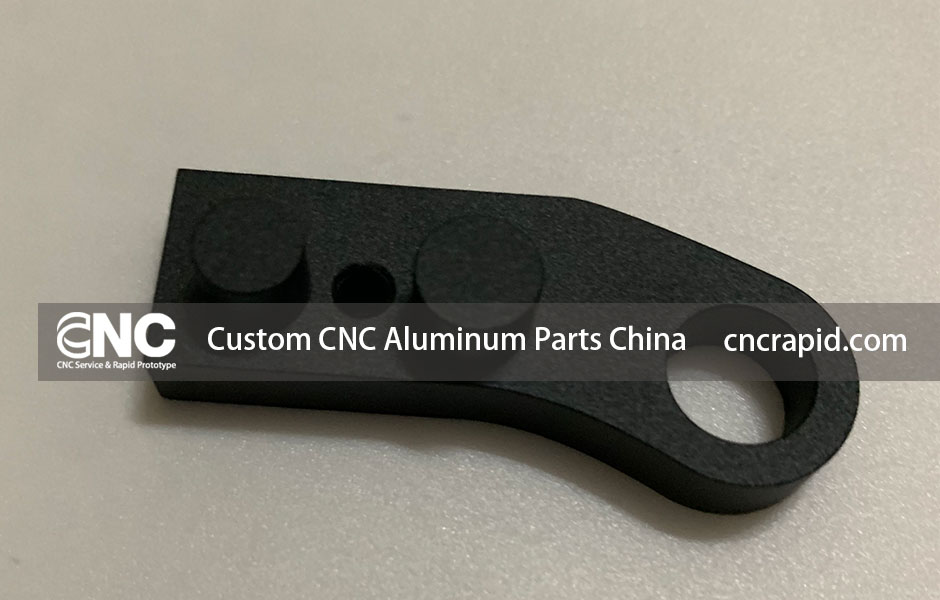
For early-stage product work
Aluminum prototypes are often made before tooling, molding, or production release. They help engineers test fit, strength, appearance, mounting points, and assembly behavior with a real metal part.
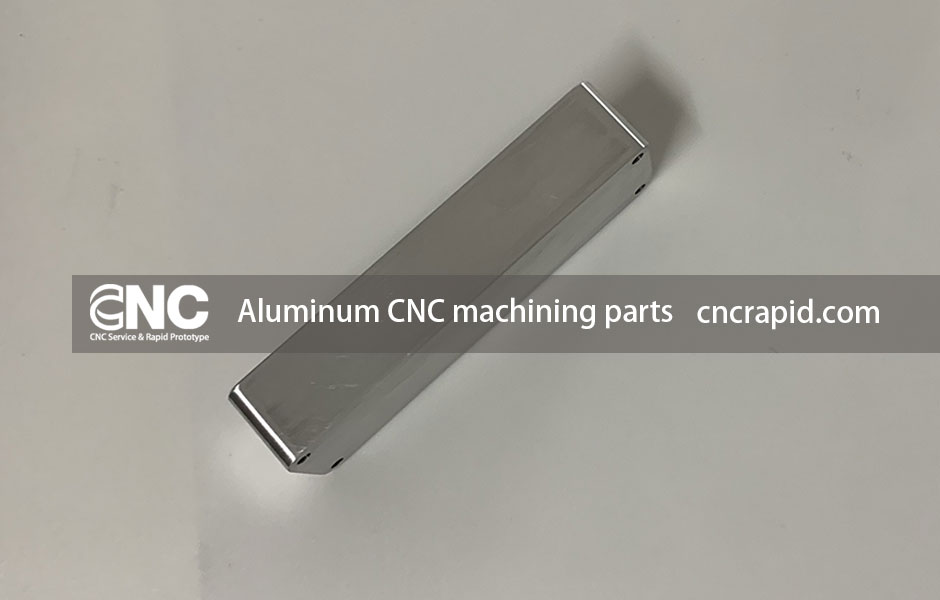
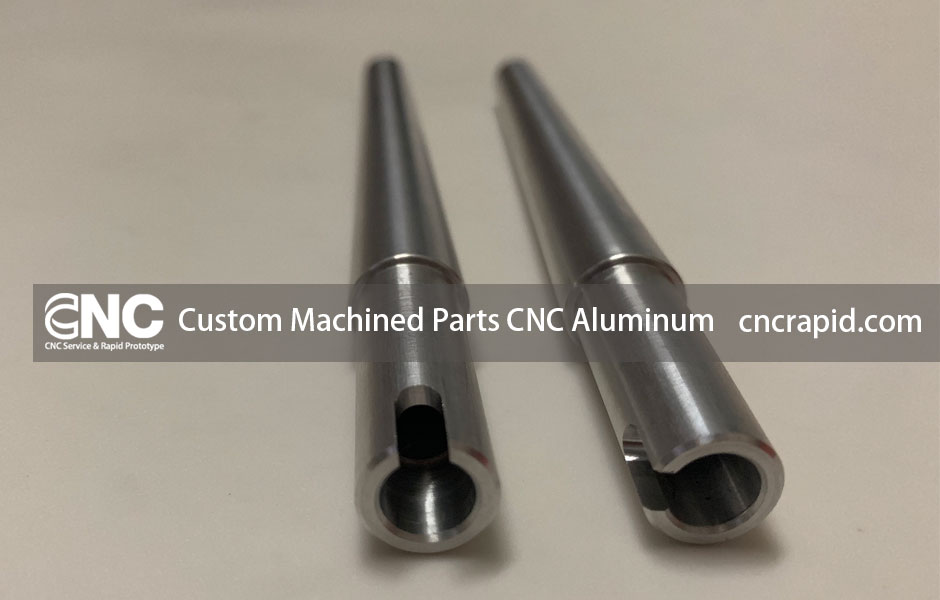
Why aluminum is common for prototypes
Aluminum is strong enough for many functional tests, machines cleanly, and supports several surface finishes. It is often chosen for housings, brackets, fixtures, panels, and mechanical proof-of-concept parts.
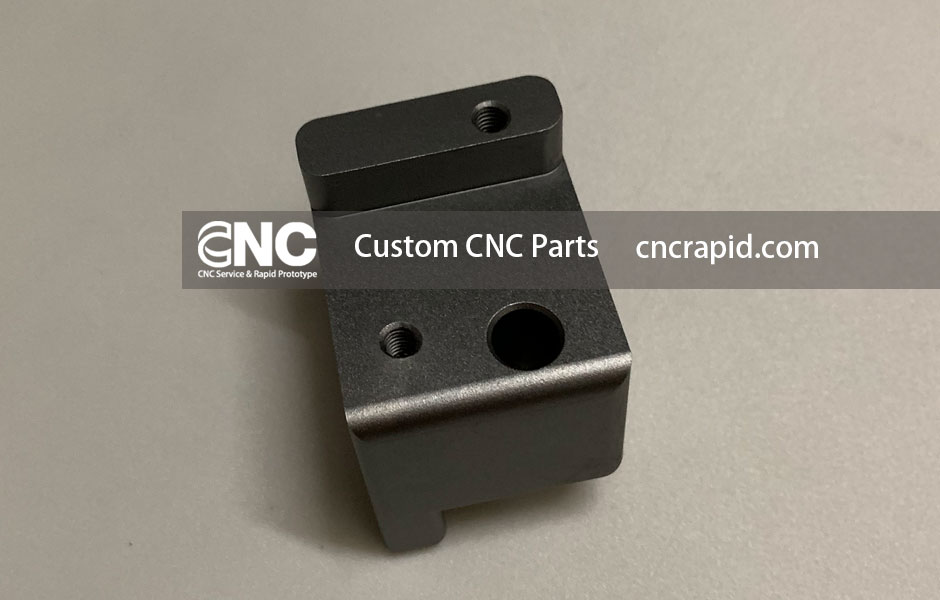
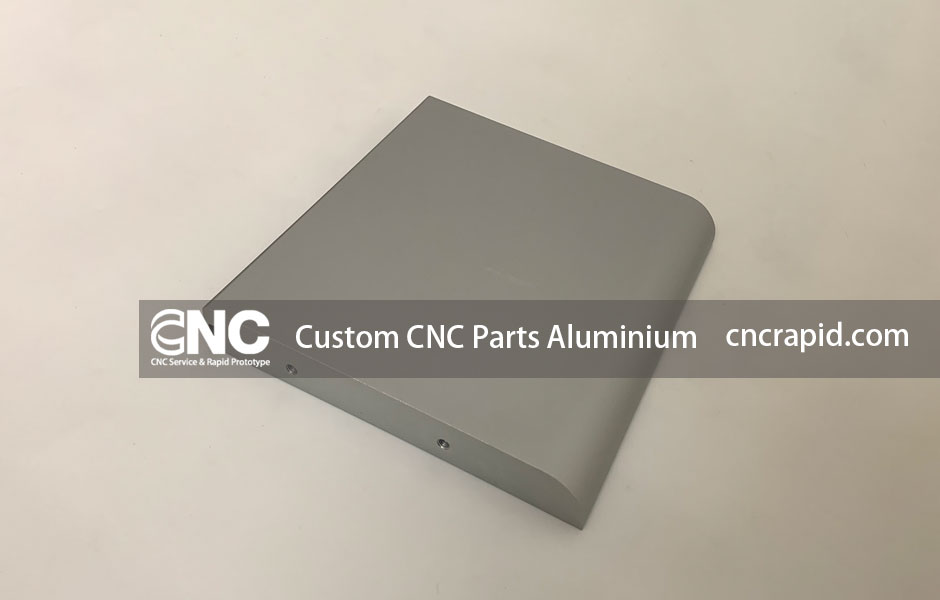
Prototype review points
For prototype quotes, tell us what the part needs to prove. A part used for appearance review may need a different finish than a part used for load testing. A part used for assembly may need more attention to holes and mating surfaces.
From prototype to small batch
If the prototype will later become a small batch, CNC Rapid can help keep manufacturing details consistent so the next order is easier to repeat.
Related aluminum machining page
This page is kept as a focused example page for visitors. For the complete aluminum CNC machining service details, materials, tolerances, finishing options, and quotation information, visit: CNC Rapid aluminum CNC machining service
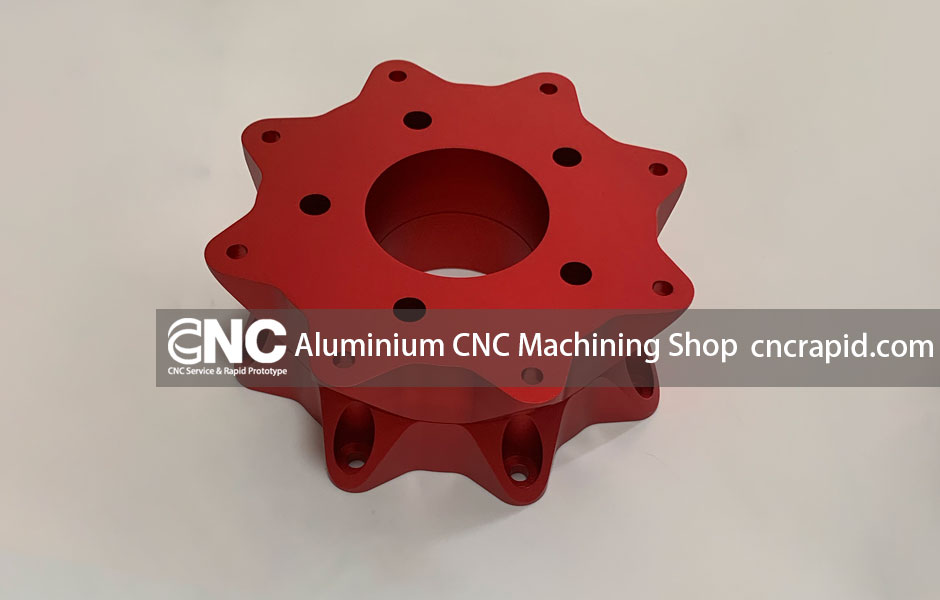
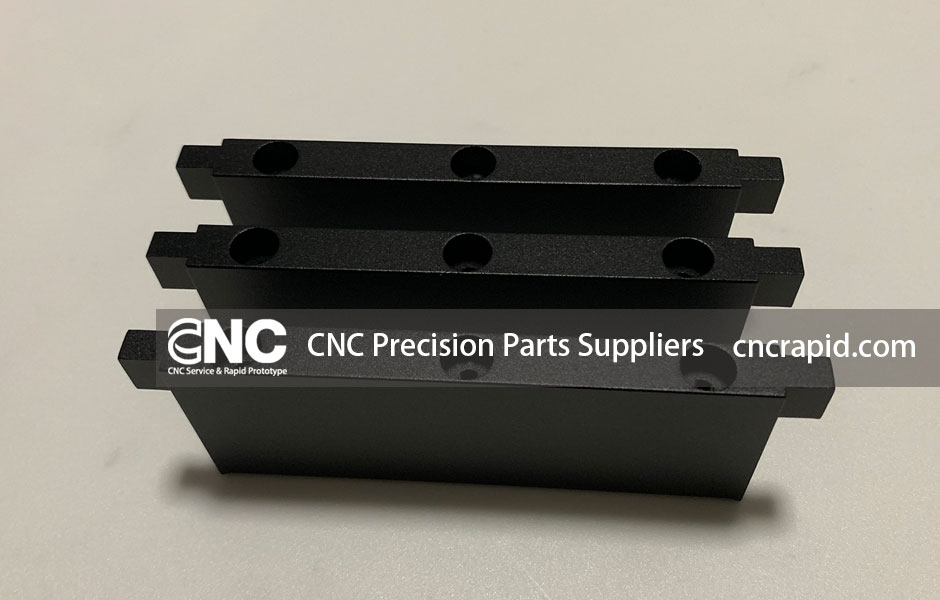
FAQ
Can I order one aluminum prototype first?
Yes. One-off prototypes are common for design validation.
Should prototype tolerances be the same as production?
Only if those tolerances are functionally required. Otherwise, prototype cost may increase unnecessarily.
Can the prototype be anodized?
Yes, but surface finish should be discussed before machining.
Request a quote
If you need a similar aluminum CNC machined part, please send your drawings through the Request a Quote page:
Or email us at [email protected] to tell us About Your Project
Please include the following information so that we can provide an accurate quote:
- Part Name
- 3D Drawing
- Quantity
- Material
- Tolerance Range
- Surface Finish
CNC Rapid can review the material, tolerance, finish, and quantity requirements before prototype or low-volume production. Thank you for your time!